
Why Chanukah?
Q. What about Chanukah is still relevant? It was a temporary reprieve. So they got another two centuries with the mikdash. They got a beautiful miracle with the oil. It's a really nice piece of history, but how does it relate to us now? Why should we be so involved in singing and thanking for things that happened 2200 years ago and don't seem to have any impact on us now?
A. Thanks for your question. If you ask me (which you did), I'd say that the reason for the holiday isn't because of the Temple per se; it's about the victory over the Yavanim, who posed an existential threat. True, Haman wanted to destroy the Jews and the Yavanim wanted to assimilate them, but the bottom line would have been exactly the same: no more Jews!
Look at the text of Al Hanissim:
בִּימֵי מַתִּתְיָֽהוּ בֶּן יוֹחָנָן כֹּהֵן גָּדוֹל חַשְׁמוֹנָאִי וּבָנָיו כְּשֶׁעָמְ֒דָה מַלְכוּת יָוָן הָרְ֒שָׁעָה עַל־עַמְּ֒ךָ יִשְׂרָאֵל לְהַשְׁכִּיחָם תּוֹרָתֶֽךָ וּלְהַעֲבִירָם מֵחֻקֵּי רְצוֹנֶֽךָ, וְאַתָּה בְּרַחֲמֶֽיךָ הָרַבִּים עָמַֽדְתָּ לָהֶם בְּעֵת צָרָתָם רַֽבְתָּ אֶת־רִיבָם דַּֽנְתָּ אֶת־דִּינָם נָקַֽמְתָּ אֶת־נִקְמָתָם מָסַֽרְתָּ גִבּוֹרִים בְּיַד חַלָּשִׁים וְרַבִּים בְּיַד מְעַטִּים וּטְמֵאִים בְּיַד טְהוֹרִים וּרְשָׁעִים בְּיַד צַדִּיקִים וְזֵדִים בְּיַד עוֹסְ֒קֵי תוֹרָתֶֽךָ וּלְךָ עָשִֽׂיתָ שֵׁם גָּדוֹל וְקָדוֹשׁ בְּעוֹלָמֶֽךָ וּלְעַמְּ֒ךָ יִשְׂרָאֵל עָשִֽׂיתָ תְּשׁוּעָה גְדוֹלָה וּפֻרְקָן כְּהַיּוֹם הַזֶּה וְאַחַר־כֵּן בָּֽאוּ בָנֶֽיךָ לִדְבִיר בֵּיתֶֽךָ וּפִנּוּ אֶת־הֵיכָלֶֽךָ וְטִהֲרוּ אֶת־מִקְדָּשֶֽׁךָ וְהִדְלִֽיקוּ נֵרוֹת בְּחַצְרוֹת קָדְשֶֽׁךָ וְקָבְ֒עוּ שְׁמוֹנַת יְמֵי חֲנֻכָּה אֵֽלּוּ לְהוֹדוֹת וּלְהַלֵּל לְשִׁמְךָ הַגָּדוֹל
All the text in blue is about the oppression, the military conflict and the salvation. The part in green is about the Temple - and it's literally an afterthought (וְאַחַר־כֵּן)! So, as with Purim, what we are celebrating is the salvation, which just happened to include retaking the Temple.
Even if, as you posited, the focus was primarily on the Temple, I still wouldn't think the holiday was irrelevant today. From Chanukah until the Churban Bayis Sheini was about 235 years. I can only imagine the impact that two centuries more with the Mikdash might have had on the nation!
Q. Was it really an existential assimilation crisis? Would it really have been the end of the Jewish nation? Because there were many other times of shmad [persecution] where there were no national miracles and the nation still survived. For example, in the time of the Romans, it was a situation when the whole nation was in one place (Israel) and there were harsh decrees against Torah and mitzvos, and there were no national miracles, and yet the nation somehow still survived.
A. I would say yes: it was an existential crisis and it could have spelled the end of the Jewish people. The Romans were certainly oppressive, but there was no widespread assimilation movement. The Syrian-Greek Hellenists had made significant inroads into the populace and posed a major threat to Jewish continuity.
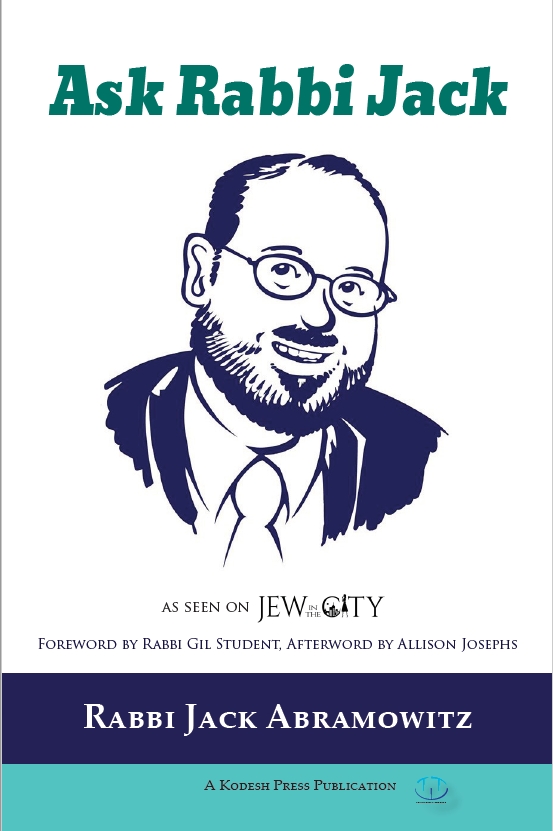
Rabbi Jack's book Ask Rabbi Jack is available from Kodesh Press and on Amazon.com.